Selected work / 03
Restaurant &
Hospitality Brand
Paid Social, Seasonal Demand & Hospitality Marketing
- Meta Ads
- Paid Social
- Audience Strategy
- Retargeting
- Creative Strategy
- Seasonal Campaigns
- Hospitality Marketing
- Demand Generation
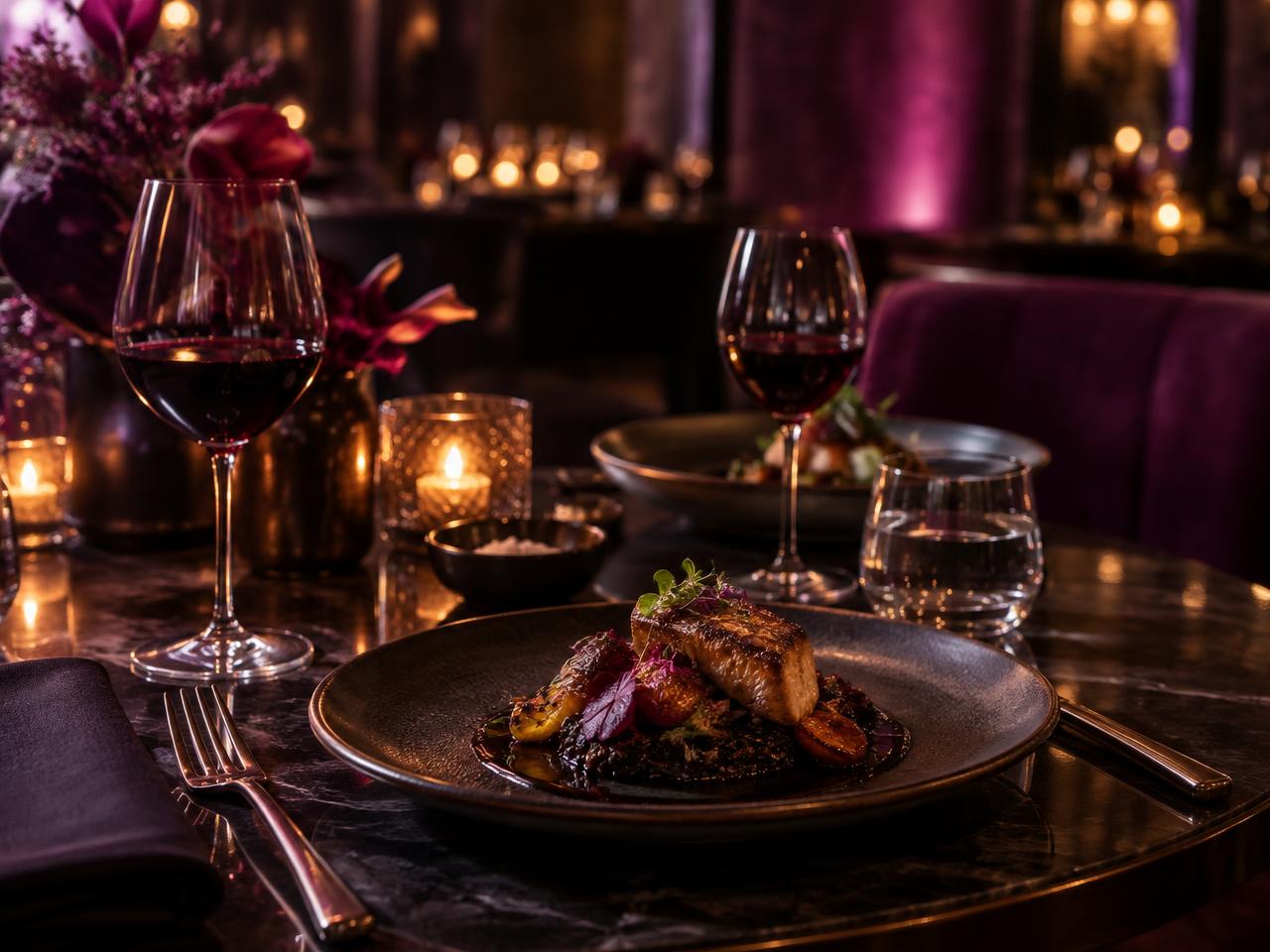
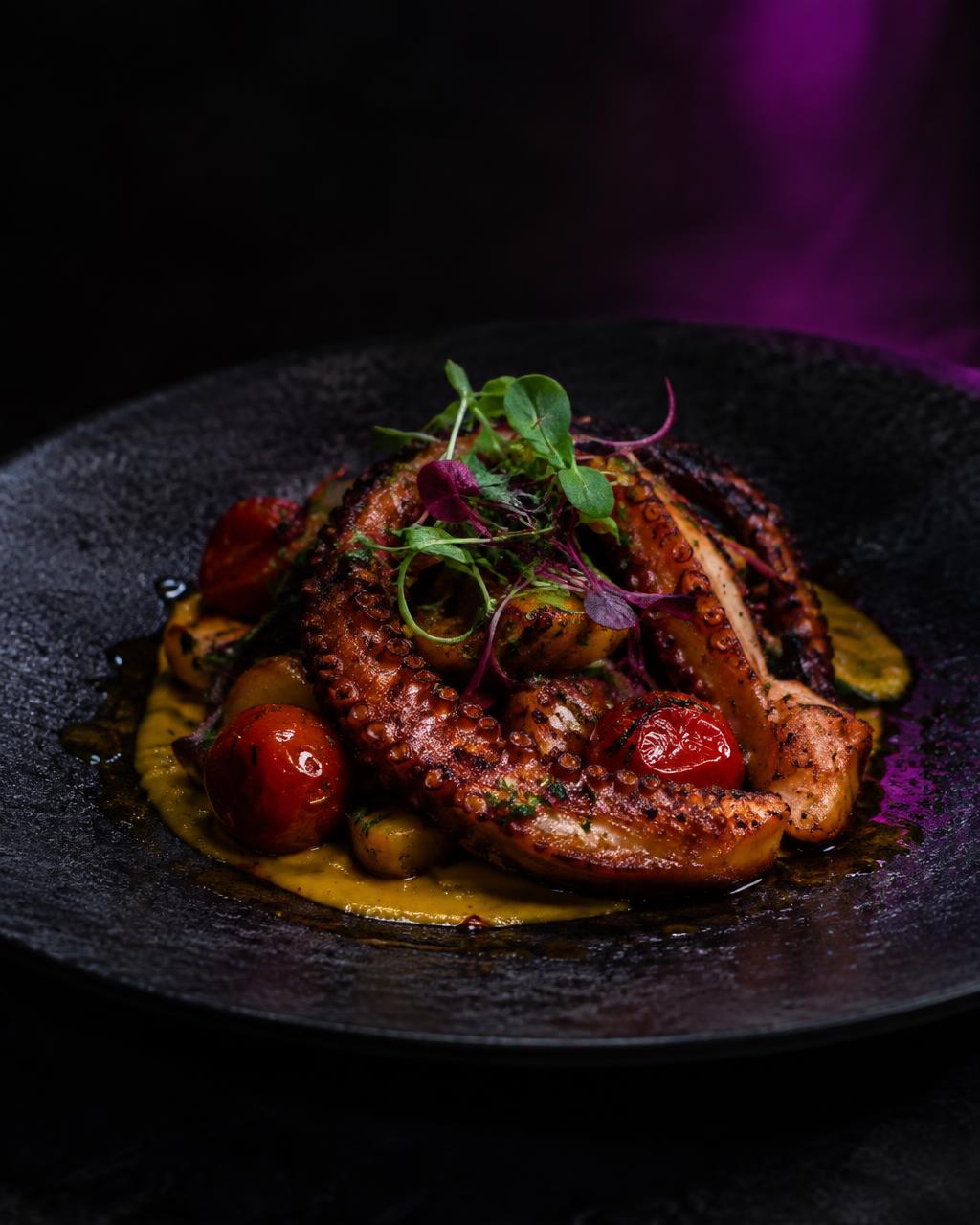
A year-round paid social engagement for an independent restaurant combining elevated food with a relaxed dining experience in a historic coastal setting.
The challenge was to generate demand throughout the year while adapting the audience, creative and messaging to two very different seasonal markets.
The Challenge
The restaurant sits between traditional casual dining and formal fine dining — high-quality food and presentation in a relaxed, approachable atmosphere.
The marketing challenge was not simply to create awareness.
The restaurant needed to remain visible to travellers during the tourist season, turn that visibility into reservation intent and then completely shift its audience and proposition once the season ended.
Stand out in a competitive tourist market
Turn discovery into restaurant visits
Adapt the strategy between summer and winter
One restaurant.
Two very different audiences.
Summer
90%
International visitors
10%
Local audience
Approximate audience mix
During the tourist season, campaigns were designed primarily for international visitors already in or travelling to the destination.
The objective was to make the restaurant easy to discover, communicate the food and atmosphere quickly and give travellers a clear reason to visit.
- Food
- Atmosphere
- Location
- Discovery
- Dining experience
- Reservation intent
Winter
Local-first
Audience
Outside the tourist season
Outside the tourist season, the restaurant adapted its menu, pricing, content and communication to a local audience.
Instead of continuing the same tourist-focused campaigns year-round, the paid social strategy shifted toward local relevance, repeat visits and reasons to dine throughout the quieter months.
- Local relevance
- Seasonal menu
- Value
- Return visits
- Weekend dining
- Local demand
The Strategy
Meta became the core paid channel, supporting both brand discovery and reservation intent through a combination of audience targeting, strong hospitality creative and retargeting.
Build discovery
Use paid social to place the restaurant in front of relevant visitors before or during their stay, helping the venue become part of their consideration set.
Show the experience
Rather than relying on promotional messaging alone, campaigns used food, atmosphere and visual storytelling to communicate what the dining experience actually felt like.
Retarget interest
Users who had already interacted with the restaurant, content or website could be reached again with stronger reservation-oriented communication.
Change with the season
Audience, creative, menu communication and campaign priorities changed throughout the year instead of relying on one permanent campaign structure.
Sell the experience, not just the table
Hospitality is highly visual, so creative played a central role in the campaign strategy.
Instead of relying on a single format, campaigns used a mix of high-quality content to show different parts of the restaurant experience.
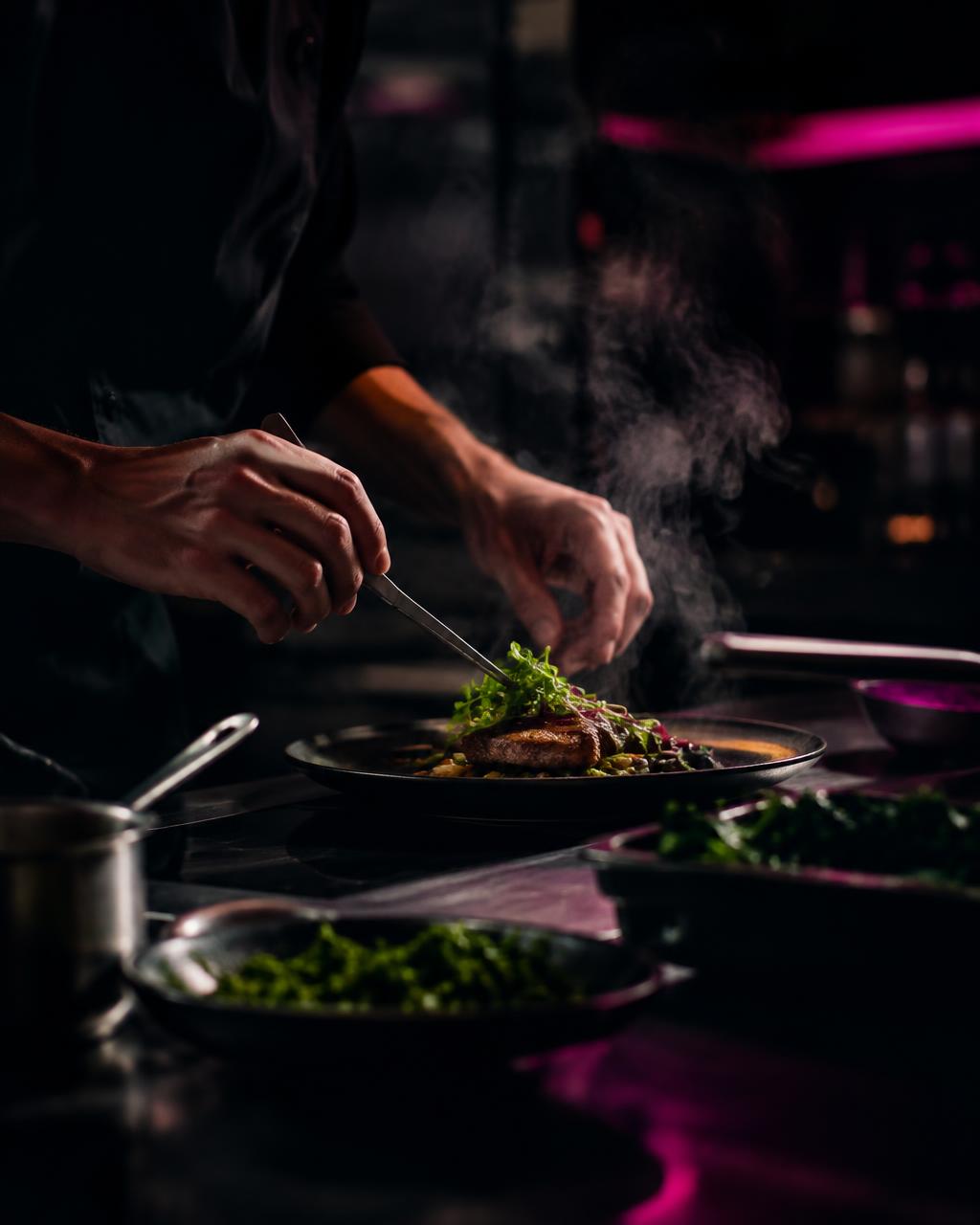
Reels & Video
Used to communicate atmosphere, movement, food preparation and the overall feeling of dining at the restaurant.
Food Carousels
Used to showcase multiple dishes, menu variety and visual quality in a format that encouraged exploration.
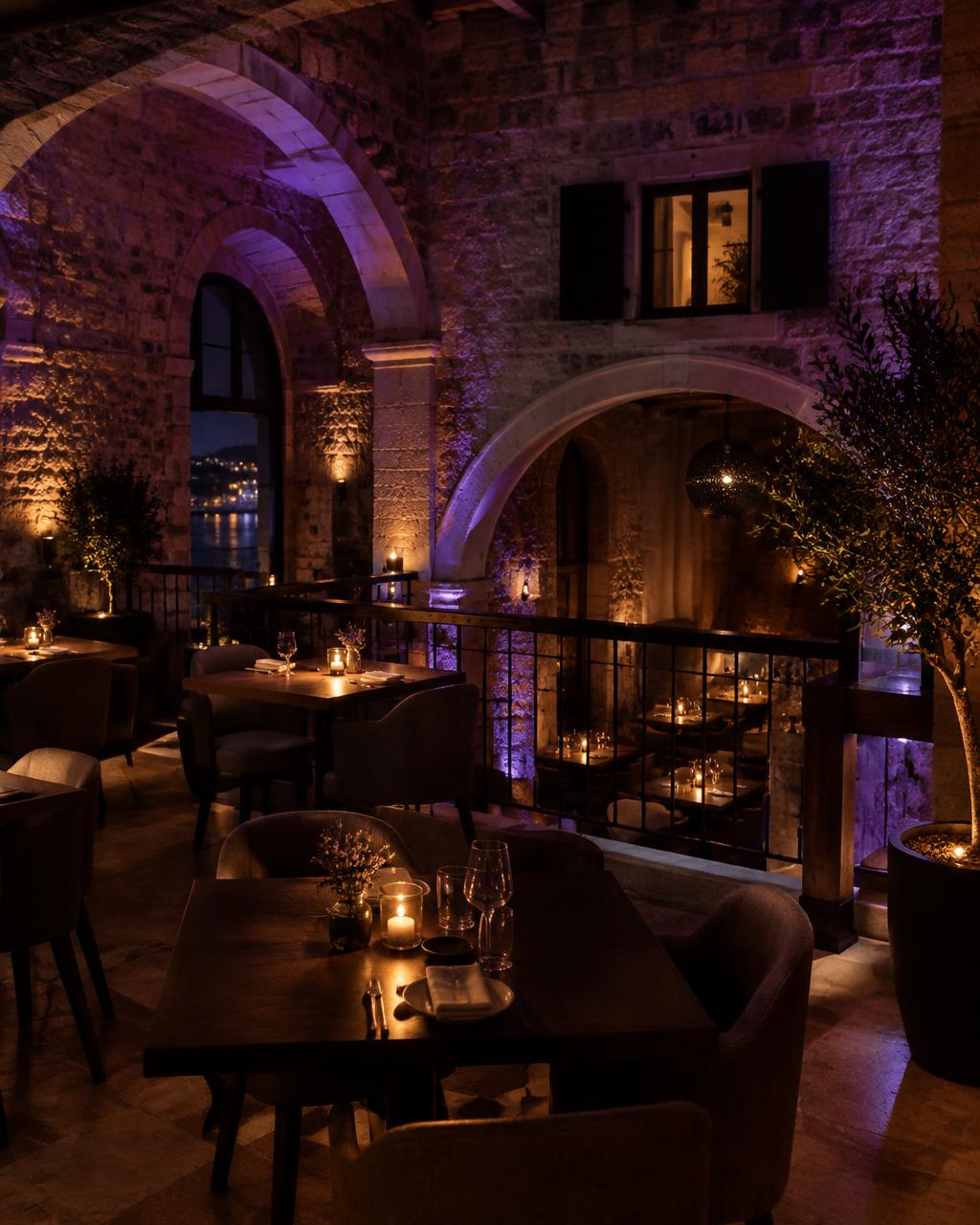
Atmosphere & Interior
Photography of the setting helped communicate the restaurant's relaxed but elevated positioning and give potential guests a clearer sense of the experience.
The goal was to make the restaurant feel familiar before the guest ever arrived.
The Customer Journey
For many tourists, the decision to choose a restaurant happens quickly.
The strategy therefore combined broad discovery with repeated exposure, allowing potential guests to first notice the restaurant, explore the food and atmosphere and later return when deciding where to eat.
Reservations could happen through
- Call
- Message
- DM
- Website booking
Seasonal Campaign Model
Spring
Build visibility ahead of the tourist season.
Summer
International tourist acquisition, restaurant discovery and reservation intent.
Autumn
Transition communication as the audience mix starts shifting from visitors toward locals.
Winter
Local-first campaigns built around seasonal menus, local pricing, repeat visits and reasons to dine outside the tourist season.
The core channel remained the same.
The audience, offer and message did not.
From Attention to Footfall
The commercial objective was simple: generate enough relevant demand to help put people in the restaurant.
Because reservations happened across phone calls, messages, DMs and, later, online booking, performance could not be reduced to a single digital conversion metric.
Paid social was therefore evaluated across a broader mix of signals:
- Reach
- Engagement
- Website interest
- Messages
- Reservation intent
- Restaurant occupancy patterns
The Business Signal
The clearest business signal was the relationship between active promotion and restaurant demand.
During periods of consistent paid activity, the restaurant maintained strong weekend occupancy and more stable demand during the week.
When campaigns were inactive, demand was visibly weaker.
Paid social became a consistent demand driver — not just an awareness channel.
Because reservations occurred across multiple offline and online touchpoints, no single attribution model was used to claim exact incremental bookings.
What Moved Performance
Seasonal audience switching
Changing from predominantly international targeting in summer to local-first targeting in winter kept the strategy relevant throughout the year.
Strong visual creative
High-quality Reels, food carousels and atmosphere photography helped communicate both the product and the experience.
Retargeting
Repeated exposure helped move people from initial restaurant discovery toward stronger dining and reservation intent.
Local relevance
Adapting menu communication, pricing and content for the winter audience prevented the brand from relying entirely on tourist-season demand.
My Role
I led the performance marketing work across strategy, Meta Ads, audience planning, campaign setup, retargeting, copy, creative direction, optimization, seasonal campaign planning and reporting.
- Paid Social Strategy
- Meta Ads
- Audience Targeting
- Retargeting
- Copywriting
- Creative Direction
- Seasonal Campaigns
- Campaign Optimization
- Hospitality Marketing
- Reporting
The same restaurant does not have the same market all year.
The strongest part of the strategy was not a single ad format or campaign.
It was the ability to continuously adapt audience, creative and messaging to the people most likely to visit at that moment — international travellers in summer and local guests in winter.
That turned paid social from a seasonal promotional channel into an ongoing demand-generation system.